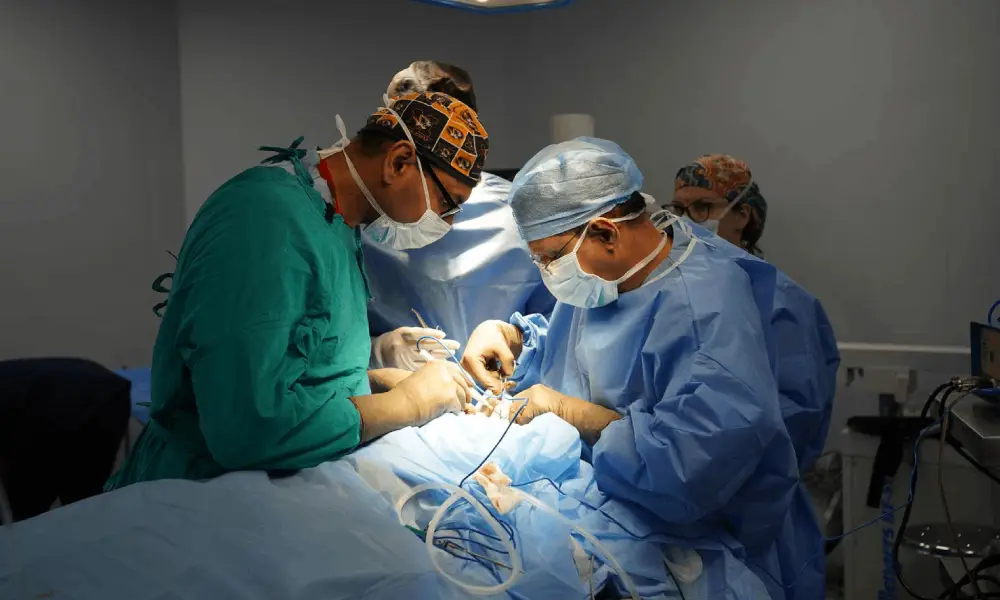
When a child requires surgery, a parent's first instinct is naturally one of concern. Fortunately, the field of pediatric general surgery has evolved significantly over the years. As a Pediatric Surgeon practicing in Richmond, Virginia, I frequently speak with parents about how minimally invasive surgery (MIS) and robotic-assisted techniques have replaced traditional open surgeries for many pediatric conditions.
Pediatric robotic surgery utilizes advanced technology to perform complex procedures through tiny incisions, often no larger than a grain of rice. This innovative approach helps reduce surgical trauma, minimize pain, lower the risk of complications, and significantly accelerate recovery times for children.
The Shift to "Covert Scar" and Single-Site Surgery
Traditionally, procedures such as appendectomies, hernia repairs, and chest wall deformity corrections required larger, visible incisions. Today, advances in minimally invasive surgery allow many of these procedures to be performed using a "covert scar" approach.
With specialized laparoscopic and robotic instruments, surgery can often be completed through a single small incision hidden within the umbilicus (belly button), making postoperative scars nearly invisible.
For pediatric patients, the benefits extend well beyond cosmetic appearance. Smaller incisions typically result in:
- Reduced postoperative pain
- Lower risk of surgical site infections
- Minimal blood loss
- Faster wound healing
- Shorter hospital stays
- Quicker return to normal childhood activities
Why Robotic Surgery in Pediatrics?
Robotic-assisted surgery offers an exceptional level of precision, control, and visualization during complex pediatric procedures.
The robotic platform provides the surgeon with a high-definition, three-dimensional magnified view of the surgical field, allowing greater accuracy while operating within the delicate anatomy of infants and children.
In addition, robotic instruments provide seven degrees of freedom—greater flexibility than the human wrist—making intricate dissection and suturing possible in extremely confined spaces.
These technological advancements help surgeons perform complex procedures with enhanced precision while minimizing trauma to surrounding tissues.
Frequently Asked Questions About Pediatric Minimally Invasive Surgery
Is robotic surgery safe for small children and infants?
Yes. Robotic and laparoscopic systems are specifically adapted for pediatric anatomy. The technology precisely translates the surgeon's hand movements into highly controlled micro-movements, enabling exceptional safety and accuracy during surgery.
What is the recovery time for minimally invasive pediatric surgery?
Recovery varies depending on the procedure and the child's condition. However, minimally invasive techniques generally reduce hospital stays by nearly half compared with traditional open surgery. Many children are able to return home on the same day or the following morning.
What conditions can be treated using pediatric minimally invasive surgery?
Pediatric minimally invasive and robotic surgery can effectively treat numerous conditions, including:
- Appendicitis
- Gastroesophageal Reflux Disease (GERD)
- Inguinal and abdominal hernias
- Complex bowel motility disorders
- Thoracic (chest) anomalies
- Several gastrointestinal surgical conditions
"Our goal is not only to perform successful surgery but to help children recover faster, experience less pain, and return to their normal lives as quickly as possible."
About the Author
Dr. Ashwin Pimpalwar, MD, FRCS, is a highly specialized Pediatric Surgeon based in Richmond, Virginia. Serving as the Chief of Pediatric Surgery, Dr. Pimpalwar brings more than 30 years of international surgical experience, with expertise in minimally invasive pediatric surgery, robotic-assisted procedures, bowel motility programs, and the management of complex gastrointestinal disorders in children.